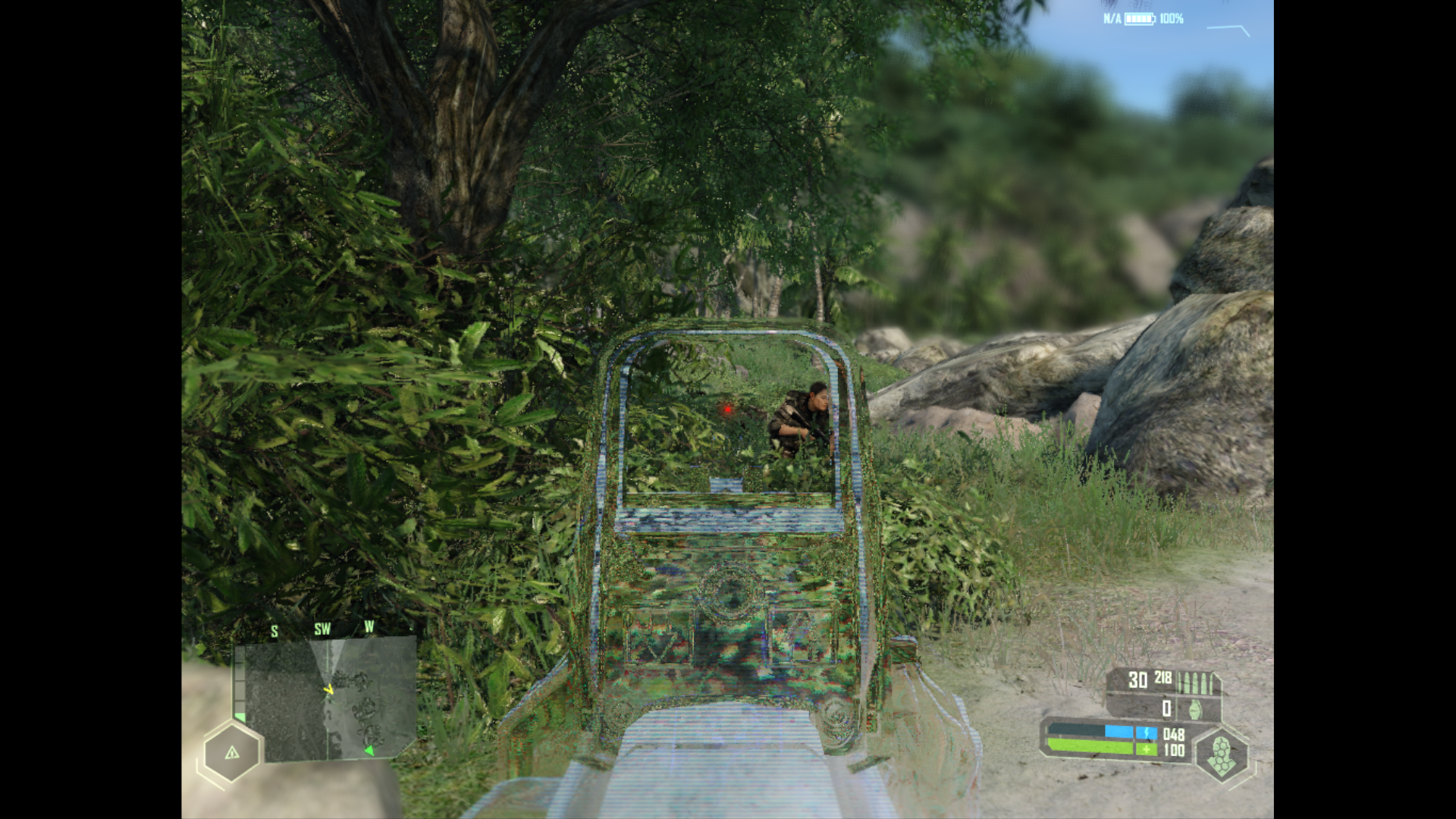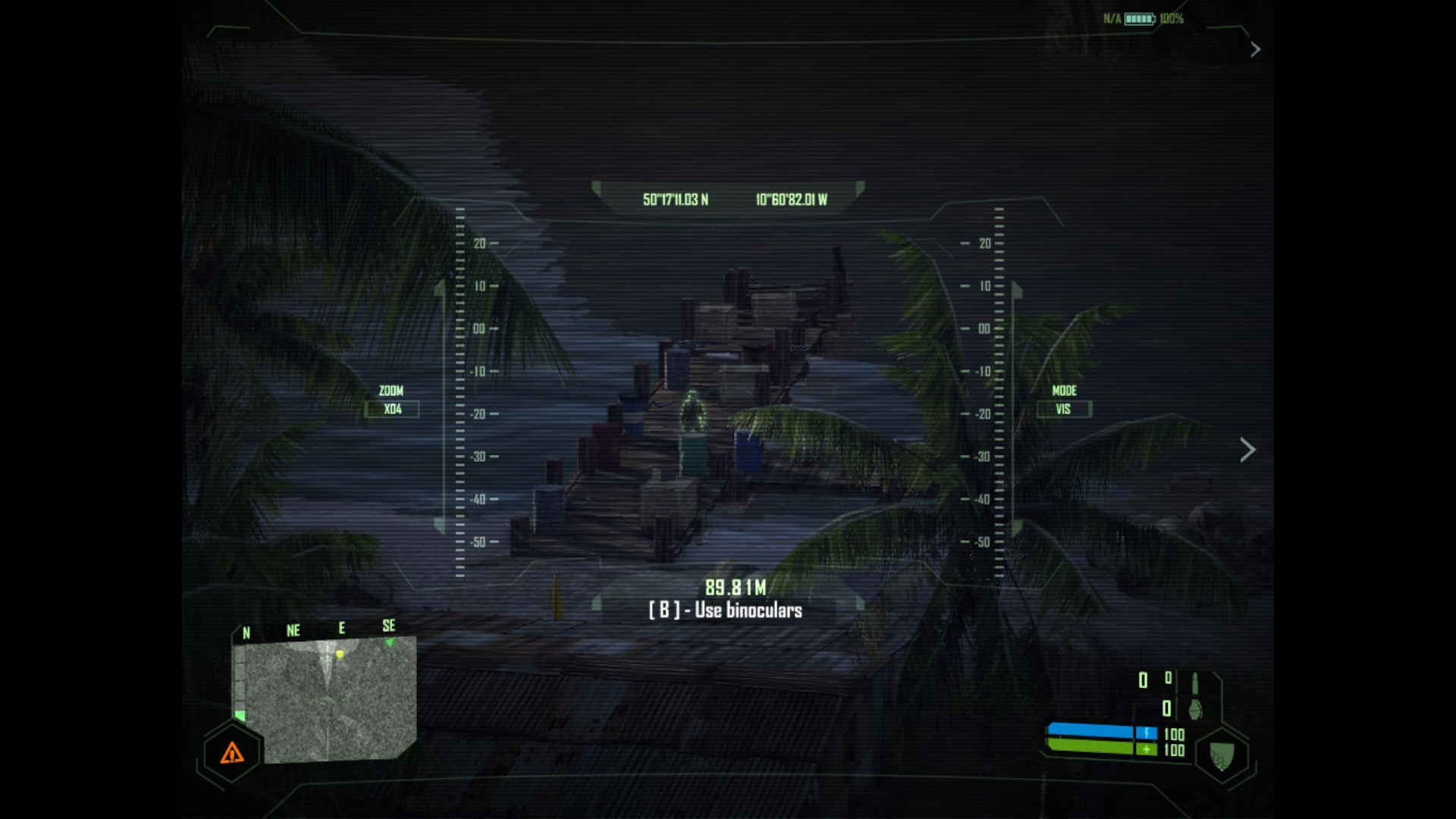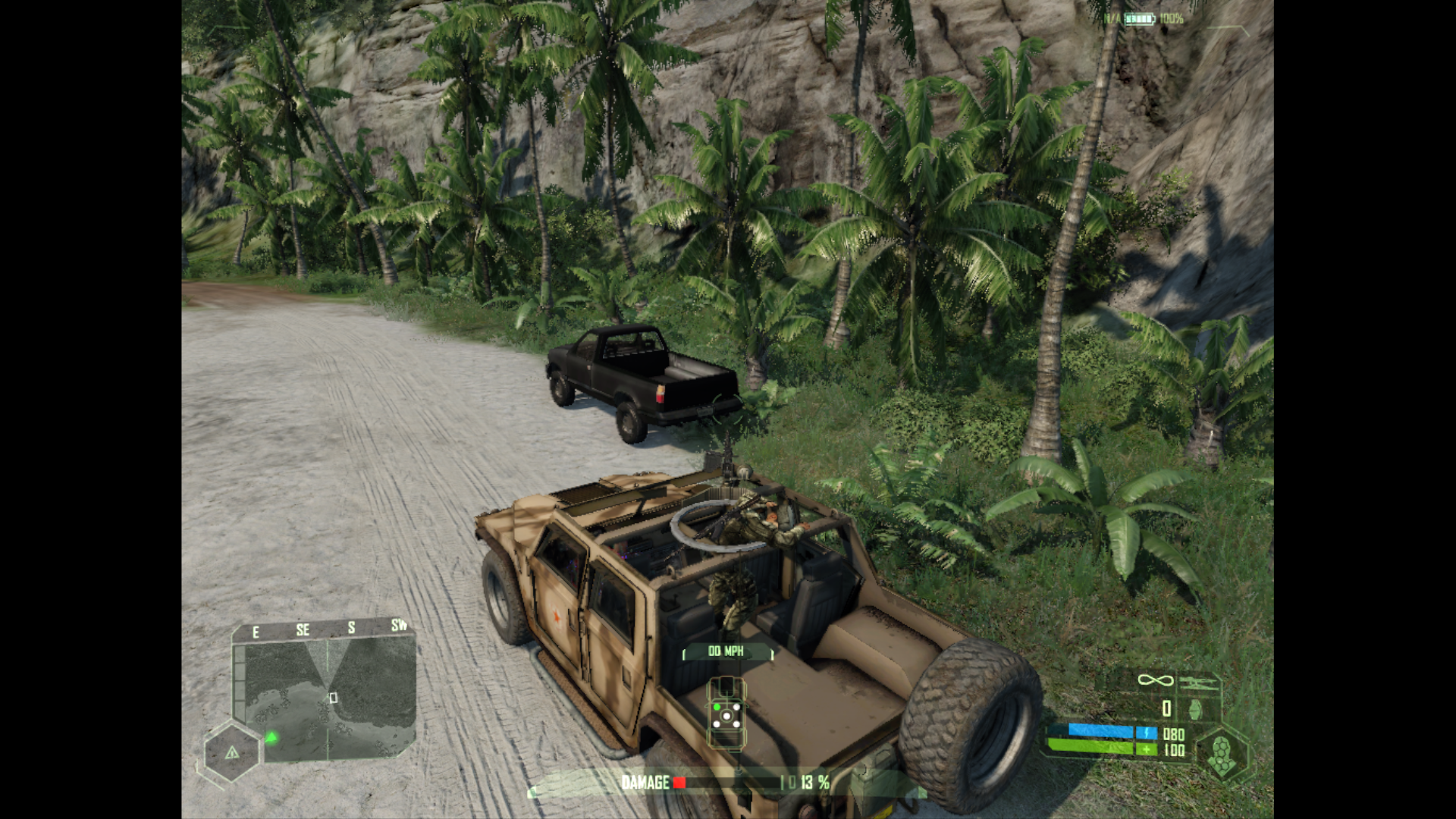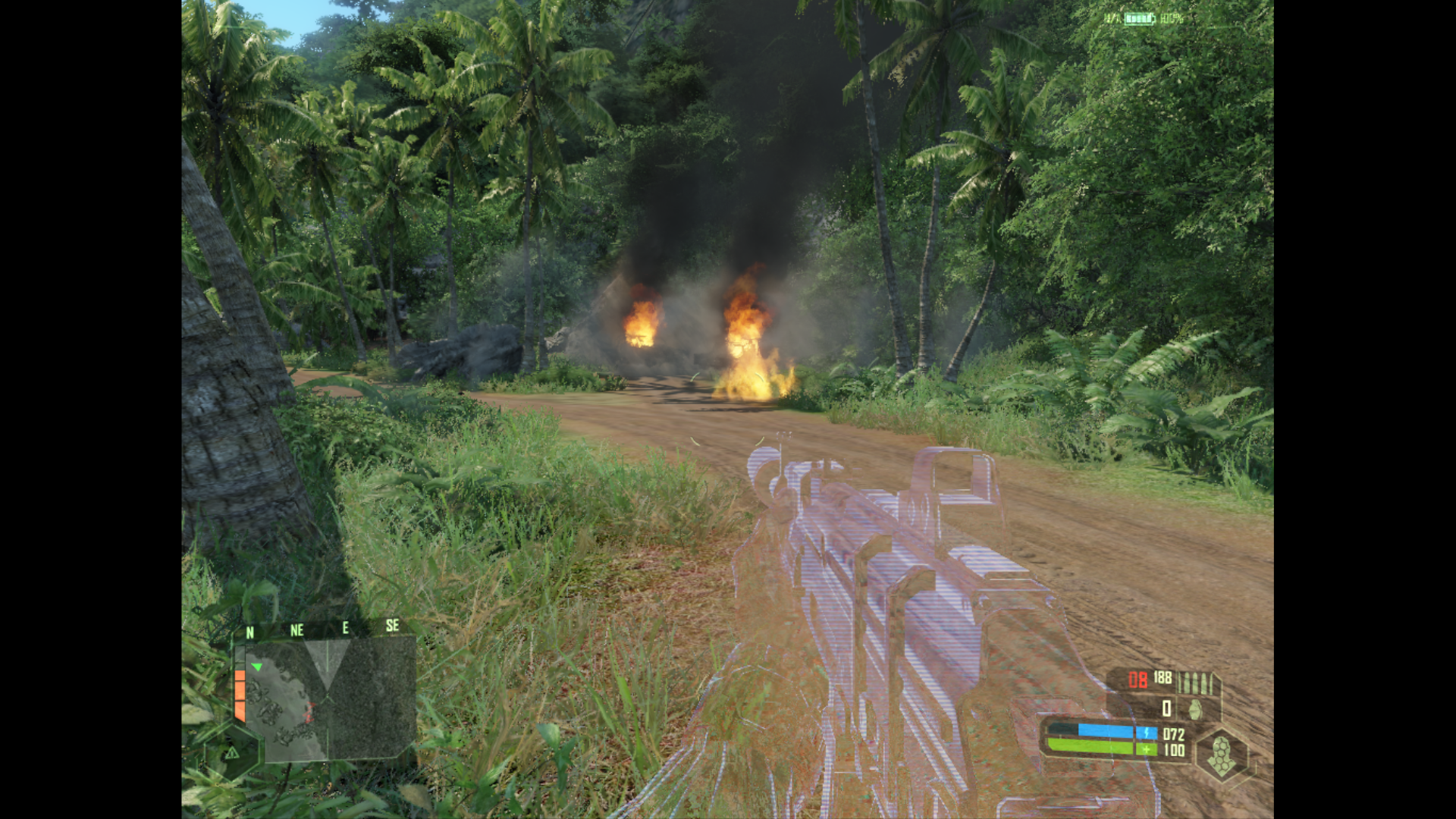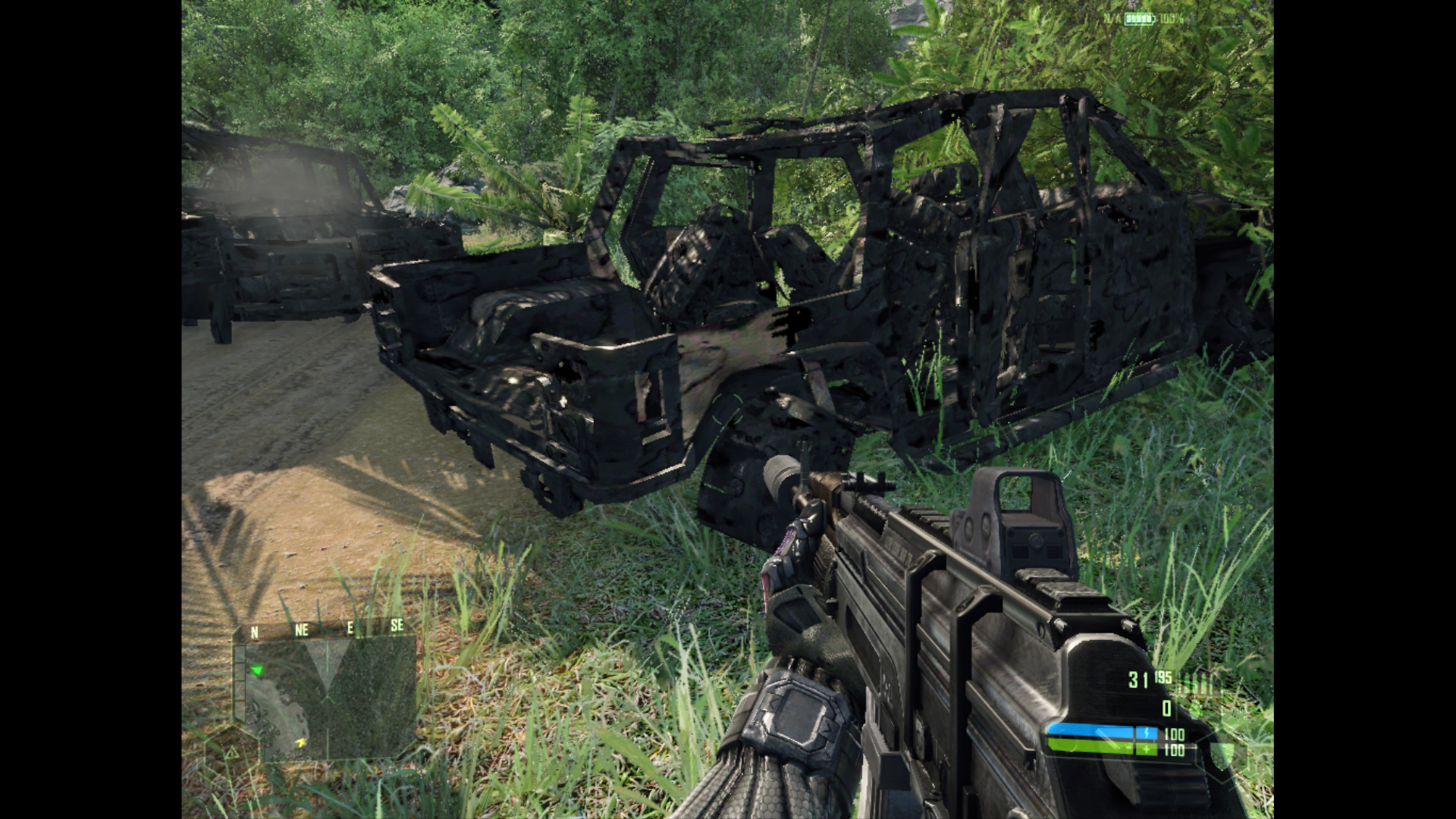
The game that became the benchmark and a source of memes for an entire generation with the famous question, "But can it run Crysis?".

The technology demonstration that turned into a game
When the German company Crytek released Crysis in November 2007, we didn’t just get an FPS but we got a glimpse into the future. The game was built on the in-house CryEngine 2 and delivered visuals that hardware wouldn’t be able to handle properly until years later.
1. The Story and Setting
The story takes place in 2020 on the fictional Lingshan Islands, near the Philippines. A group of American archaeologists discovers ancient alien technology, which the North Korean military also gets its hands on. You play as Nomad, a member of the Raptor squad, who are sent to rescue the hostages. What starts as a simple military conflict soon turns into a global threat with the arrival of the Ceph, an alien species that uses octopus-like, freezing technology.
2. The Nanosuit: A Tool for Freedom
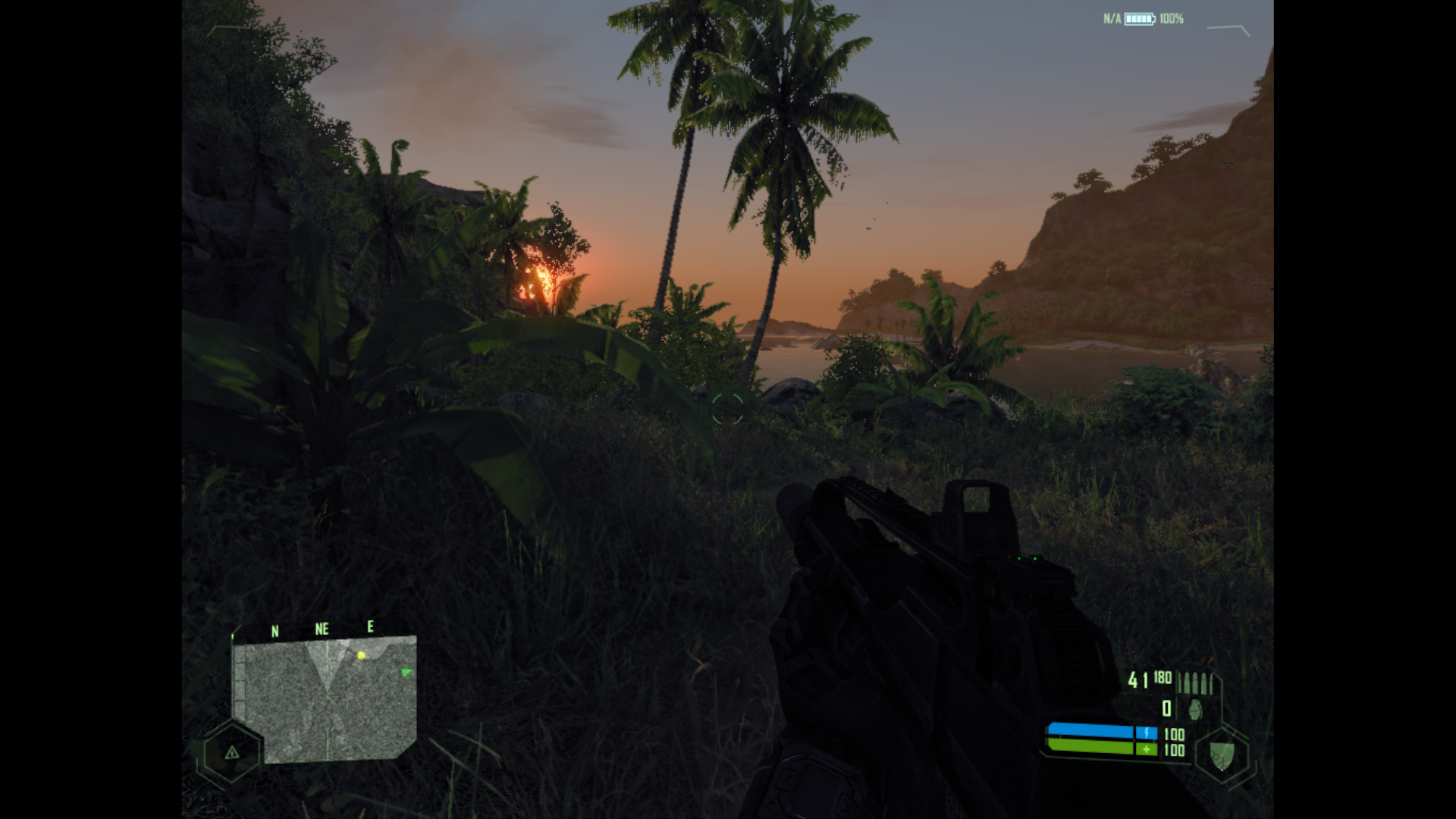
At the heart of the gameplay is the Nanosuit, a special suit of armor that offers four basic modes. This is what made Crysis more than just a simple shooter:
- Armor: Absorbs bullet energy and increases survivability.
- Strength: You can deliver powerful blows, jump high, and experience almost zero recoil from weapons.
- Speed: You can run at superhuman speeds (for a short time).
- Cloak: Predator-style stealth that lets you sneak through camps unnoticed.
3. Technical Milestones
Crysis was the first game to truly take advantage of the capabilities offered by DirectX 10 (although it also ran on DX9).
- Volumetric lighting: Realistic beams of light filtering through the treetops ("God rays").
- Destructible environment: Most buildings and nearly every tree could be destroyed. The jungle could literally be razed with a machine gun.
- Shaders: Realistic water surfaces, reflections, and wet textures on characters.
- Physics: The mass of objects and the effects of gravity were applied to every interaction.
4. Why was it a "hardware killer"?
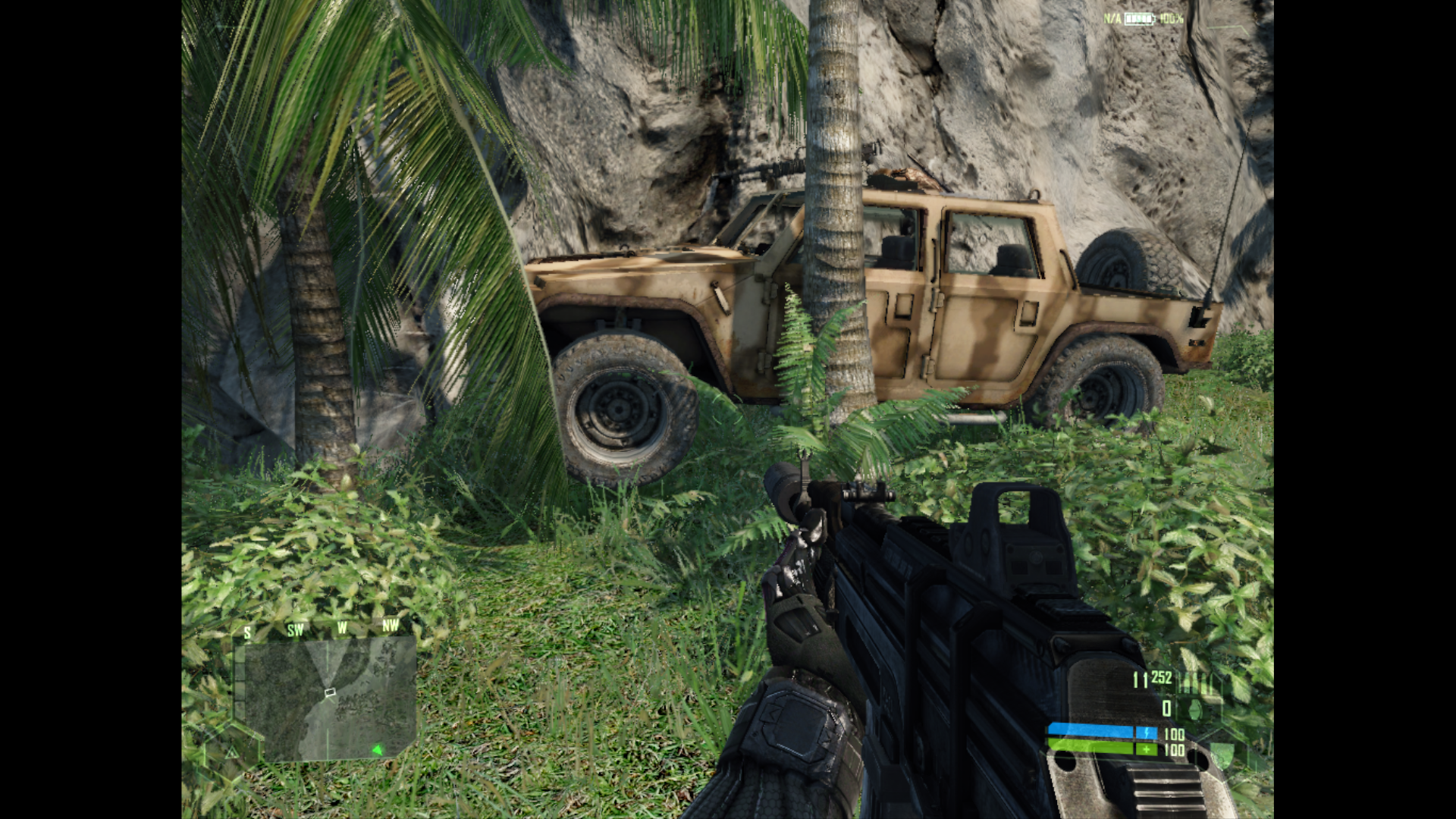
Crysis was difficult to run not because of coding errors, but due to excessive ambition. Crytek designed the engine to be built for future, high-clocked single-core processors, rather than the multi-core architectures that eventually became widespread. That’s why even on today’s modern machines, the original version can still “stutter” if you crank the settings up very high.
5. Legacy
Crysis forever changed the PC community’s attitude toward graphics. It demonstrated that in a sandbox FPS, you don’t have to sacrifice detail on the altar of freedom.
Although sequels and a Remastered version were released, the raw power and physics of the original 2007 release remain impressive to this day.