The open-source platformer that goes beyond Mario clones.

When we talk about open-source games, SuperTux is one of the very first and most respected names that comes to mind. The project was launched in 2000 by developer Bill Kendrick, and over the past twenty-five years, it has grown from a simple Super Mario Bros. parody into the Linux community’s independent, complex, and technically sophisticated flagship.
1. Architecture and Milestones: Stages of Development
The game’s development history is divided into two distinct technological eras, known as “Milestones,” which fundamentally changed how the software operated.
Milestone 1 (The Classic 8-bit Era)
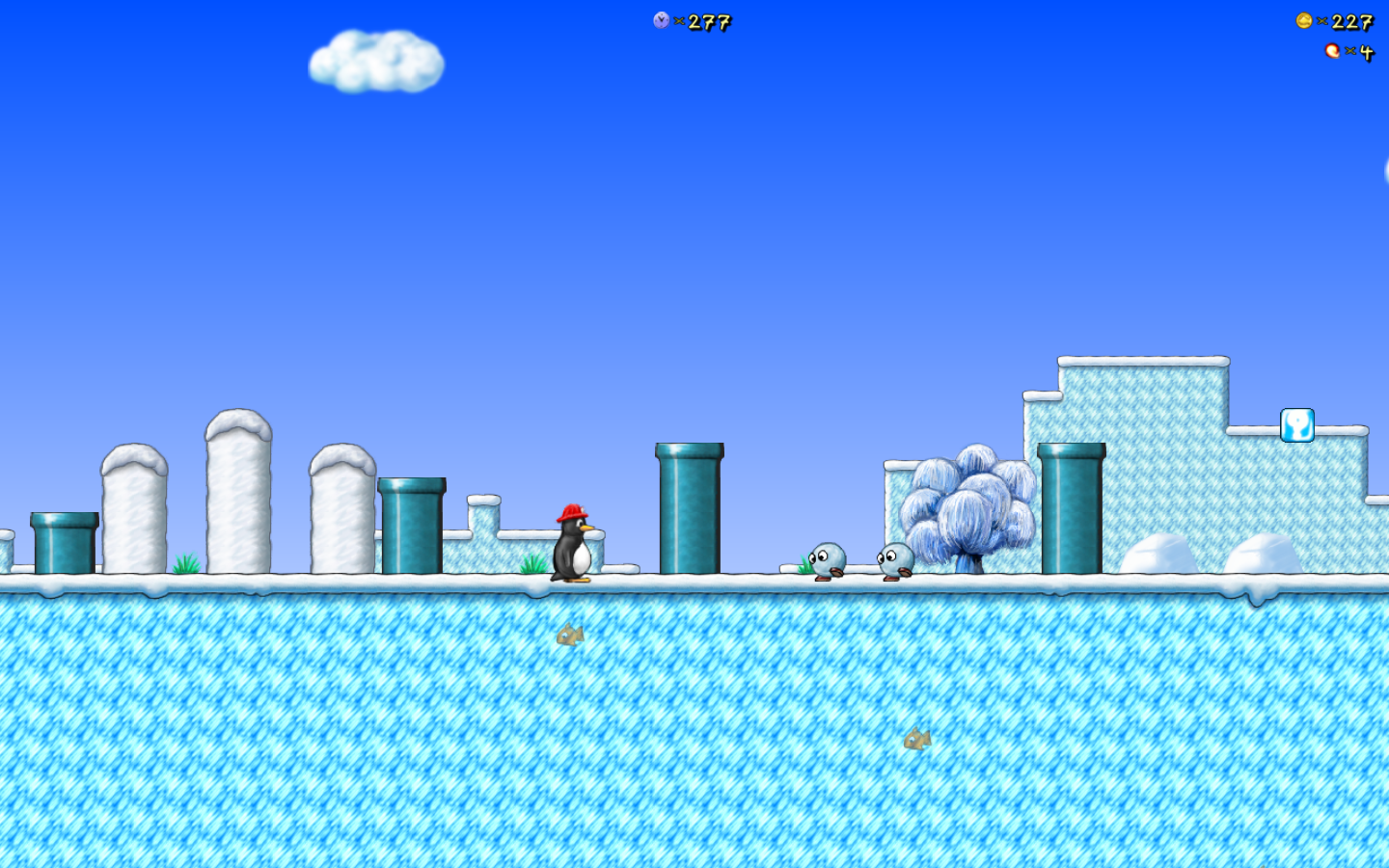
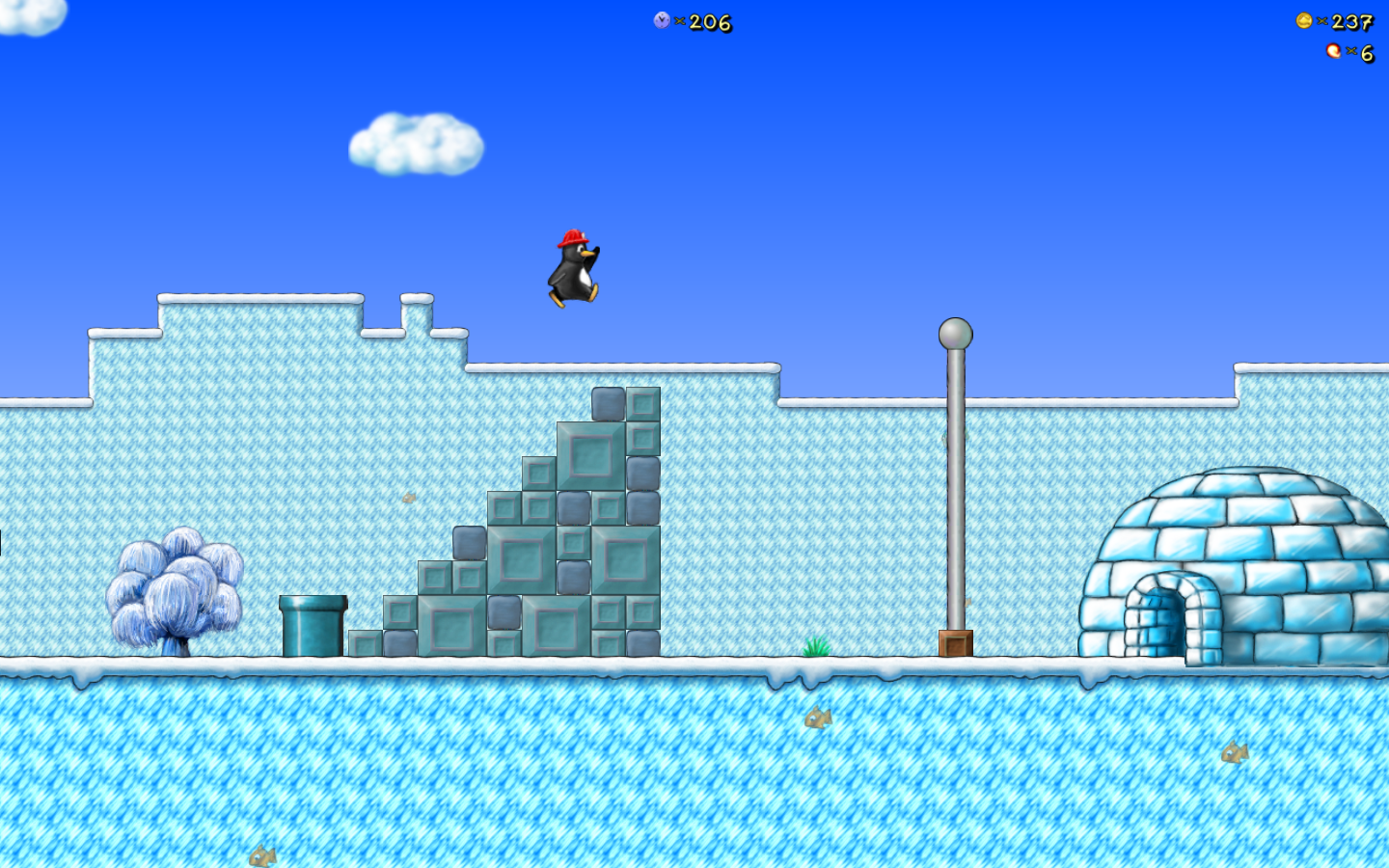
The first era, culminating in version 0.1.3 (2004), was built on a strictly software-rendered, fixed 2D engine. The goal was to perfectly replicate the classic Nintendo experience. This version laid the foundation for the first official world, Icy Island, which became popular for its 26 levels and retro physics.
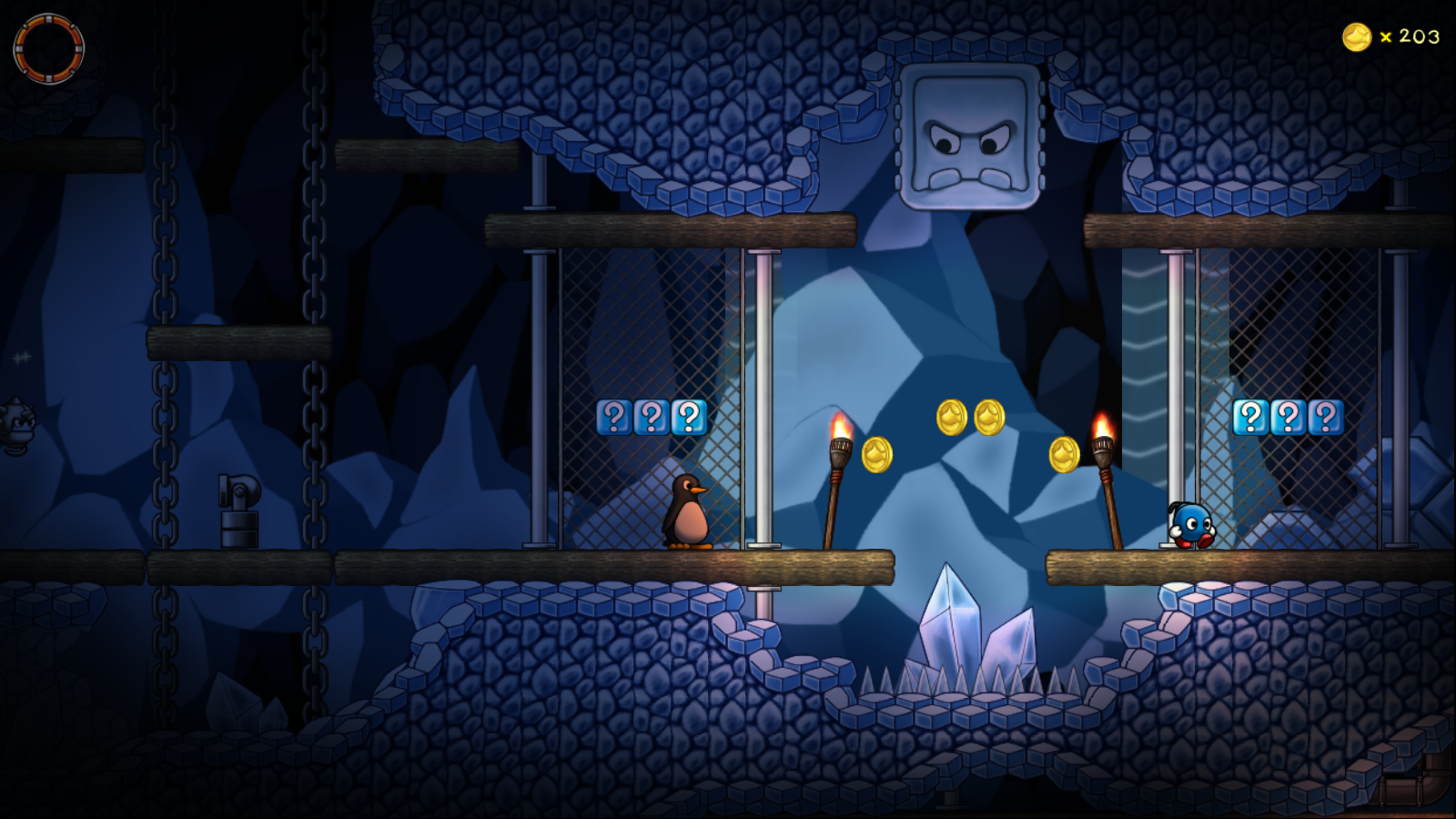
Milestone 2 (The Modern, Scripted Engine)
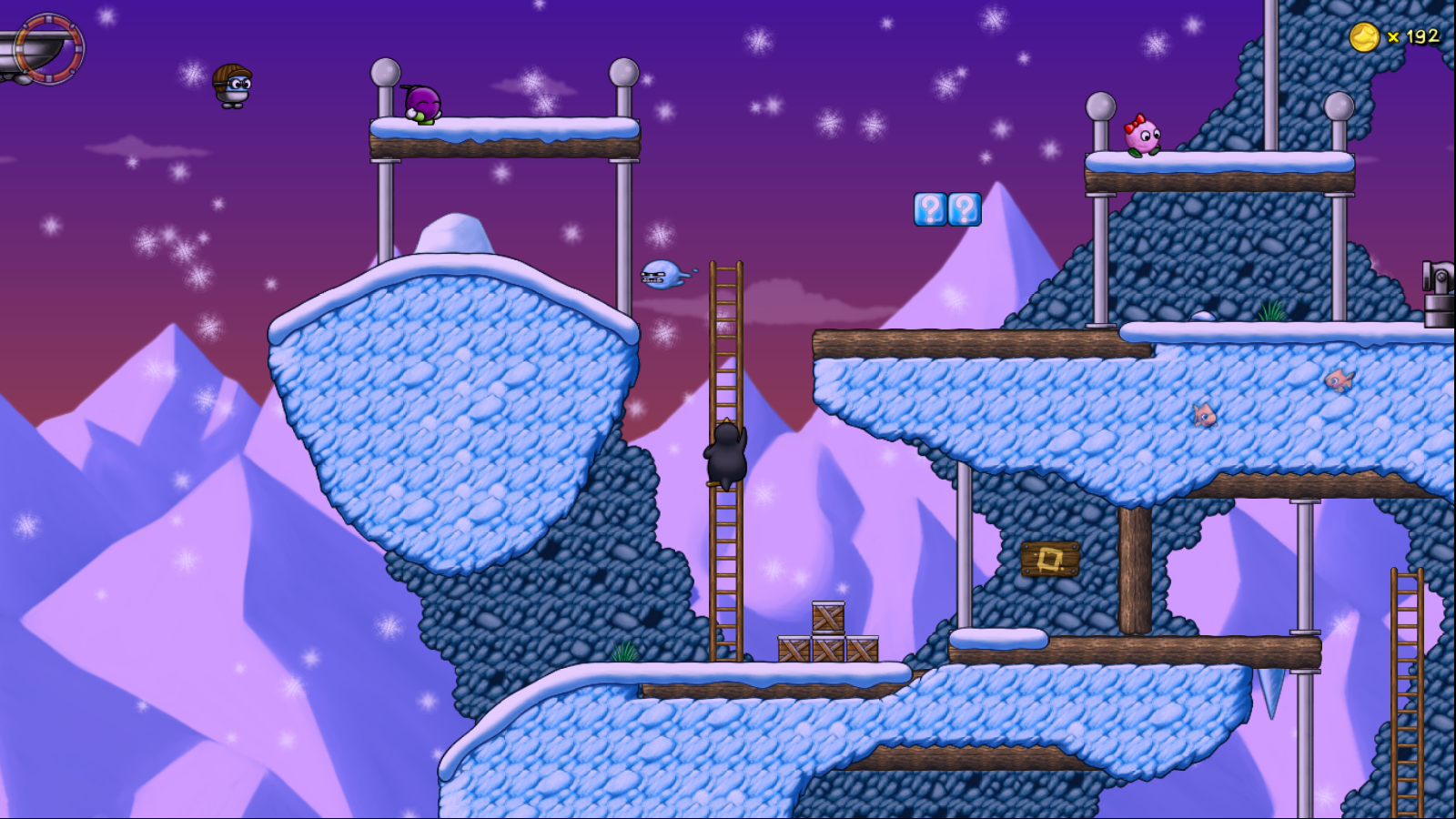
With versions 0.4.0 and the subsequent 0.6.x releases, the SuperTux engine was completely rewritten.
- Software rendering was replaced by subpixel-precise OpenGL hardware acceleration.
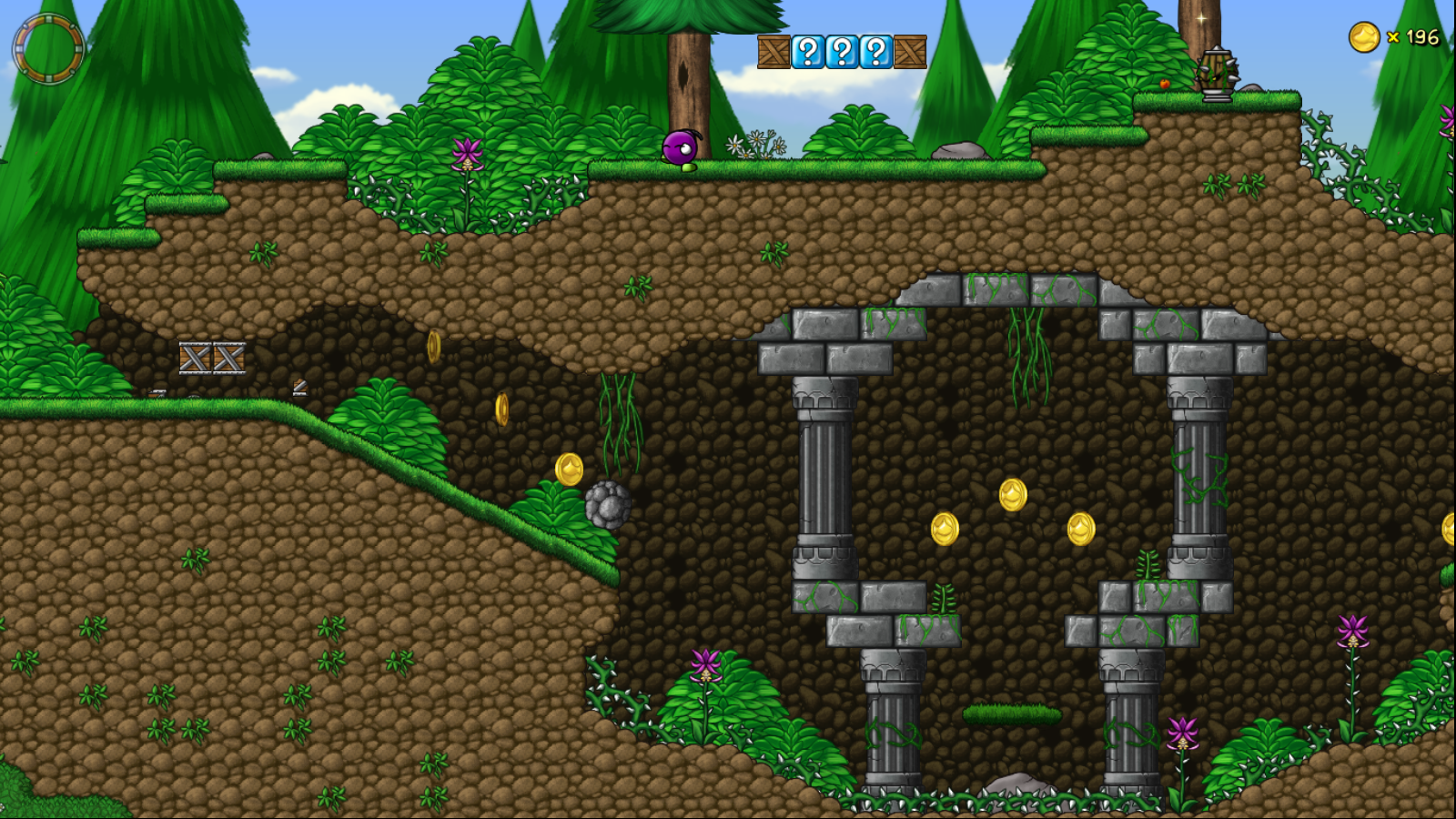
- More complex physics, wind effects, inertia while running, and the completely reworked second world, Forest World, were introduced.
2. Technical Background: What powers Tux?
The technology behind SuperTux is particularly exciting for developers, as the game engine is highly modular:
- C++ and SDL2: The core of the game is written in pure C++, while SDL2 (Simple DirectMedia Layer) handles hardware abstraction, keyboard/mouse input, and window management.
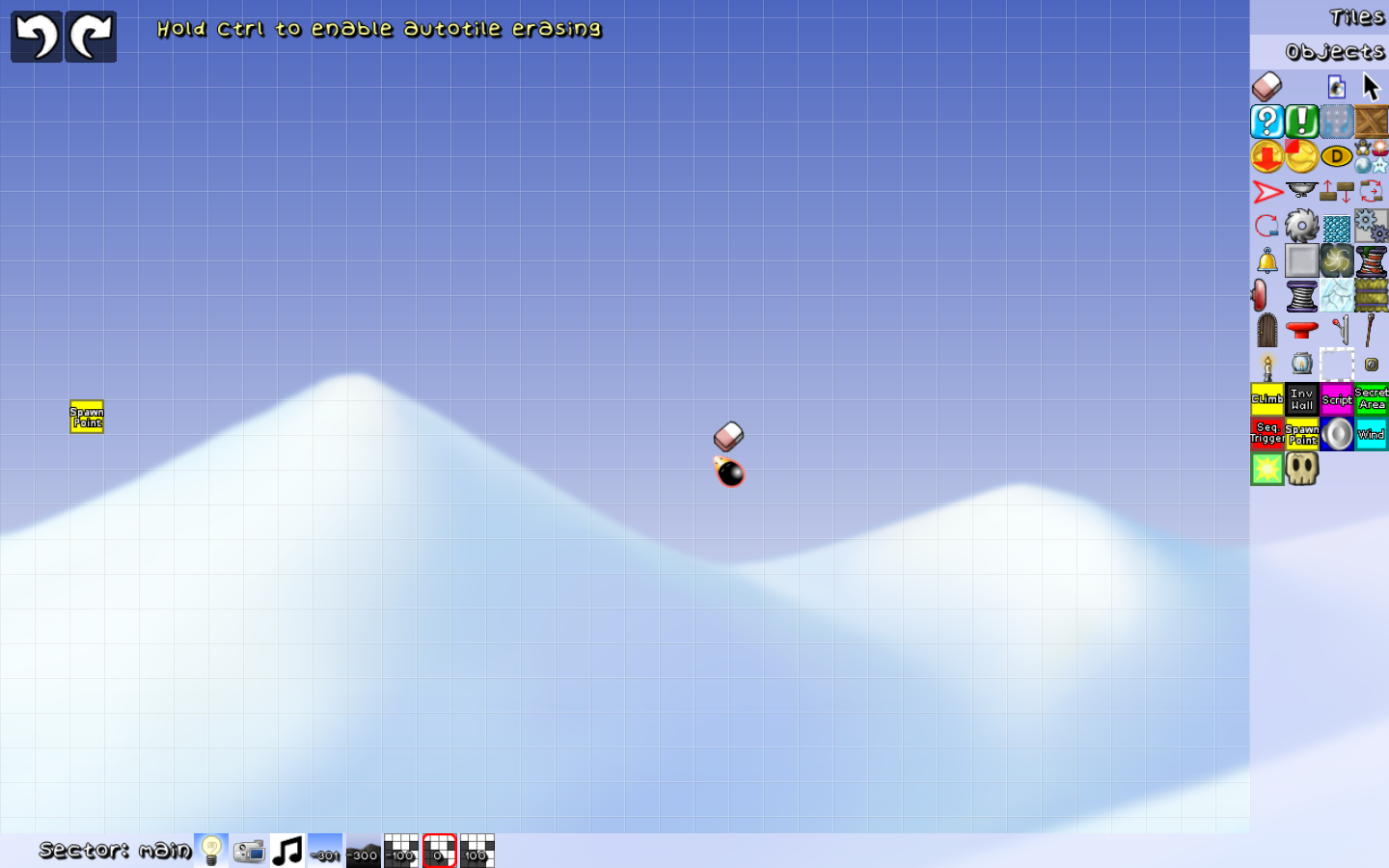
- The Squirrel scripting language: This is one of the game’s most notable technical features. SuperTux uses Squirrel, a high-level, lightweight, object-oriented scripting language, to control level events, boss battle behavior, camera movements, and transition animations. This allows level designers to write complex logic without having to touch the C++ source code.
- OpenAL: The audio system responsible for spatial sound effects and handling background music (OGG format).